
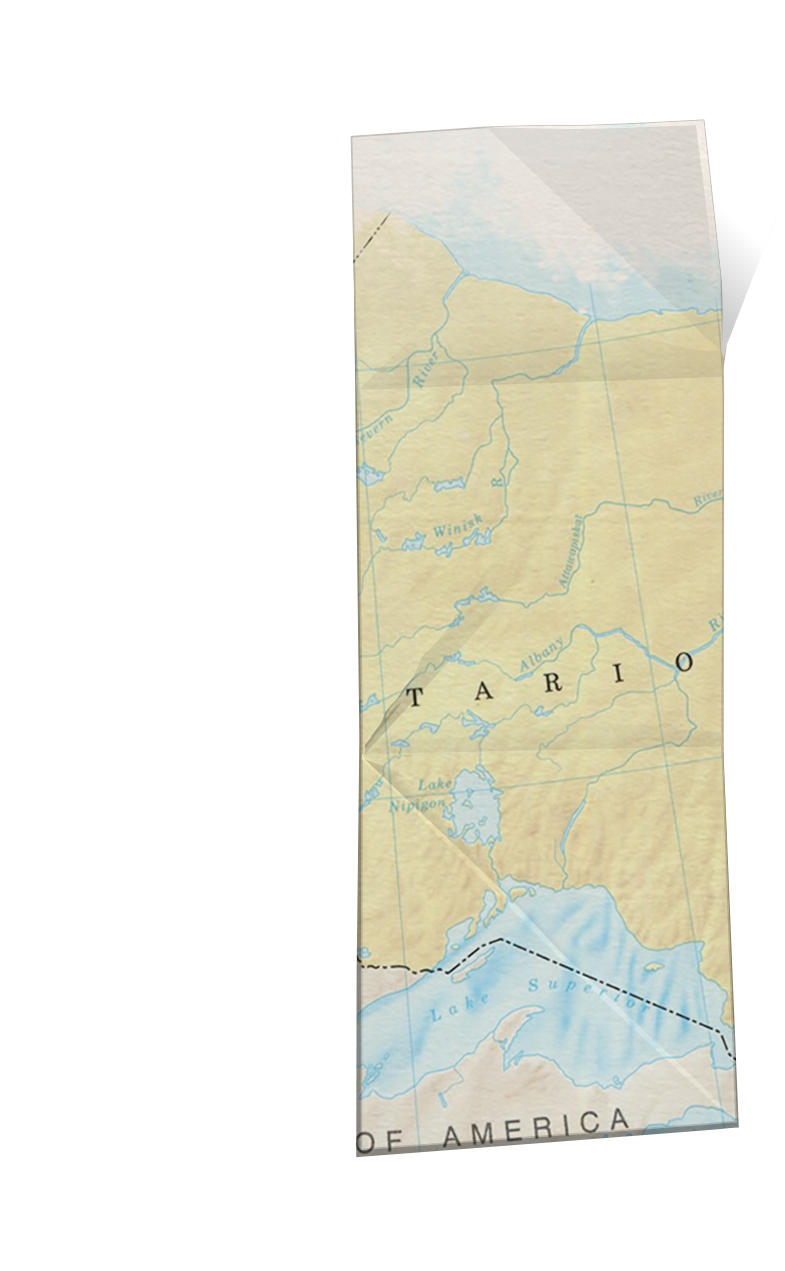



ONTARIO
PROVINCIAL
PARKS
The Ontario Parks system stretches over 125 years. It began in 1893 with the creation of Algonquin Provincial Park. In 1954 the management and creation of provincial parks came under the Department of Lands and Forests. There are now 330 provincial parks comprising 8% of Ontario's landmass which is an area larger (over 82,000 km2) than the Provinces of Nova Scotia and PEI combined.
ONTARIO PARKS
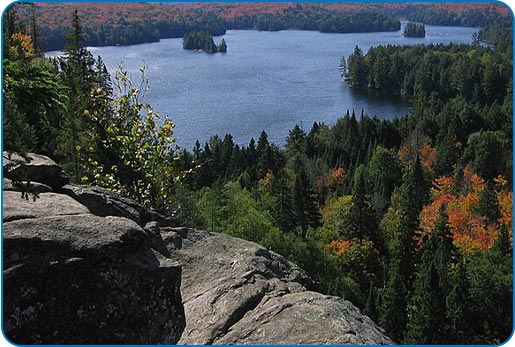
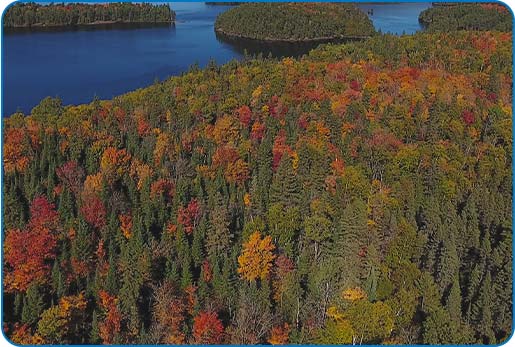
1893 : The Beginning of a Legacy
In 1893, Algonquin Provincial Park was established as Canada's first provincial park. It was created to protect a vast wilderness area while also providing a ‘pleasure ground’ for public enjoyment and recreation. Over time, Algonquin became a model for balancing conservation with tourism and outdoor activities
1954: Formalizing the Park System
In 1954, Ontario created the Department of Lands and Forests, which took over management of provincial parks. This marked a turning point in organizing park policy and growth. A system of park classification began to take shape, laying the foundation for future planning, conservation efforts, and public use
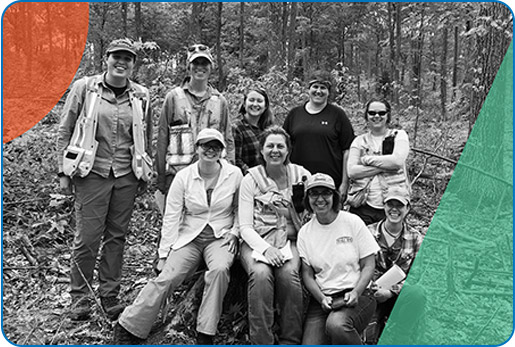
1967: Parks for the People
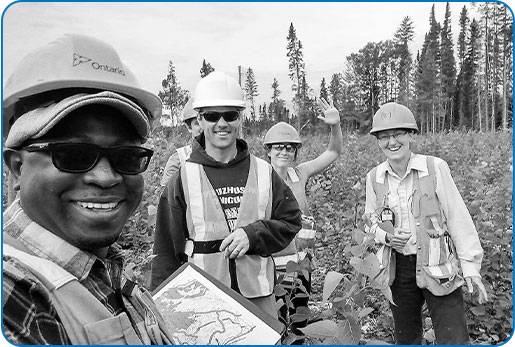
In 1967, during Canada’s centennial year, the Parks for the People program expanded access to nature. New parks opened across Ontario, focusing on hiking, and family recreation. This initiative encouraged a broader public connection with natural spaces and reinforced the importance of outdoor heritage in daily life
1978: Zoning for Balance
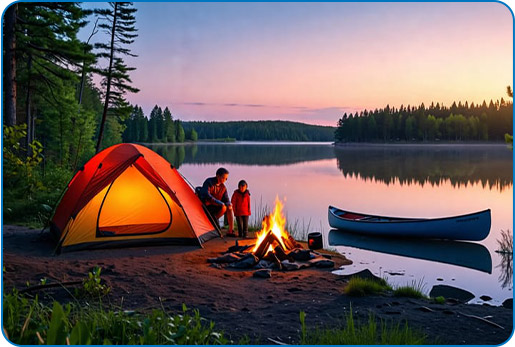
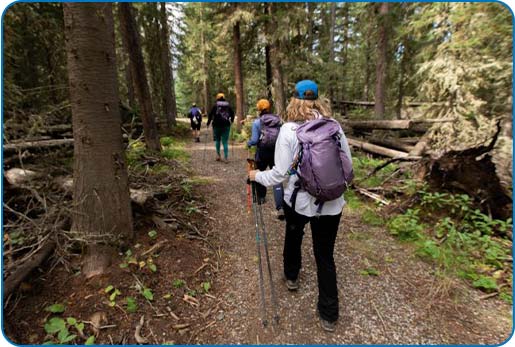
In 1978, Ontario introduced a zoning system within parks to manage different uses. This approach helped separate recreational areas from sensitive ecosystems. Zoning allowed parks to serve both conservation and visitor needs, ensuring natural features were preserved while allowing for responsible enjoyment & education
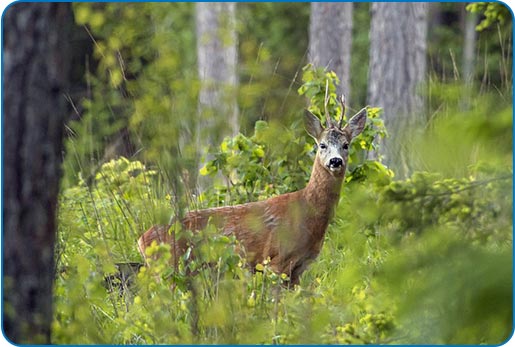
1996: Ontario Parks Born
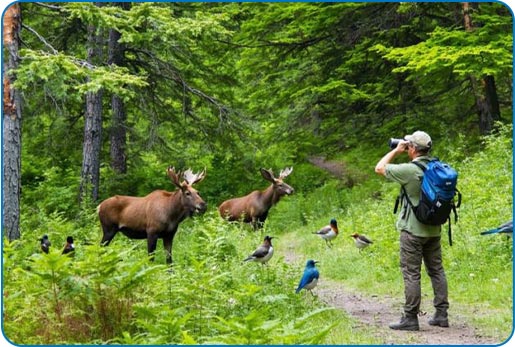
In 1996, Ontario Parks was established as a new agency under the Ministry of Natural Resources. This change modernized park operations, emphasizing sustainability and service. Ontario Parks adopted a business model to support self-sufficiency while keeping its mission of conserving biodiversity
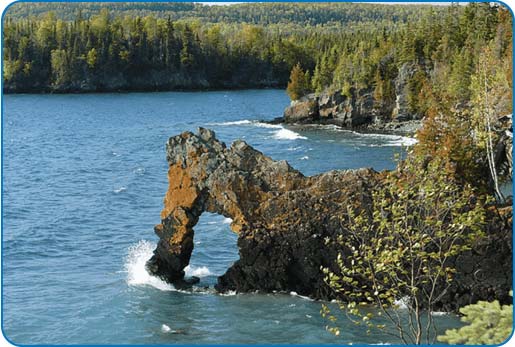
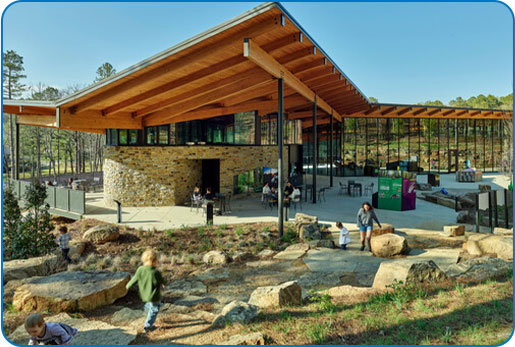
2007: Protecting the Future
In 2007, the Provincial Parks and Conservation Reserves Act was passed. This landmark legislation reinforced the protection of ecological integrity as a top priority. It provided a legal framework to guide park management and conservation, ensuring Ontario’s natural values were protected for generations
ONTARIO PARKS

Information
Activities
Classifications
 Operating Seasons
Most parks are open year-round, with activities varying by season
 Entry Fee & Passes
Choose daily entry or seasonal passes for unlimited access
 Parking & Access
Parks offer parking & accessible facilities for all visitors
 Reservations
Book campsites ,cabins and day-usepermits online in advancde






 Nature Reserve
- Protect Rare and Endangered Species
- Preserve sensitive natural habitats
- Very limited visitor access
- Focused on conversation only
 Nature parks
- Balance recreation & protection
- Family & back-country camping
- Canoeing on lakes & rivers
- Enviroment education programs
 Cultural Heritage
- Protect important historic lands
- Preserve cultural & traditional sites
- Provide visitor learning programs
- Host cultral events & festivals
ONTARIO PARKS
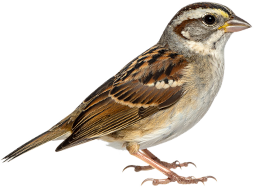
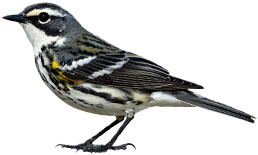
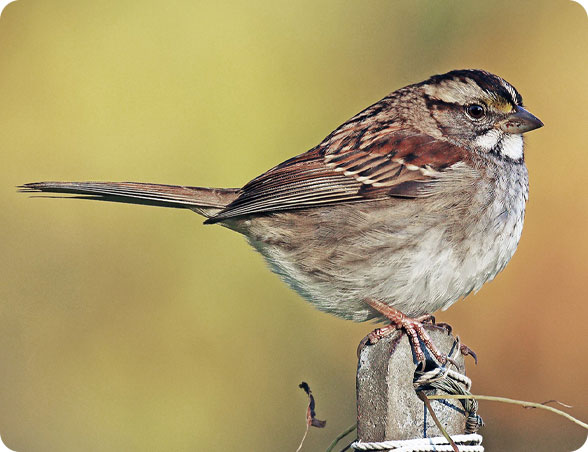
White Throated Sparrow
Appearance: Brown back, black-and-white striped head, and a clear white throat patch.
Song: amous for its “Oh-sweet-Canada-Canada” whistle.
Role In Forest: Role in Forest: Eats insects and seeds, helping control pests and spread plants.
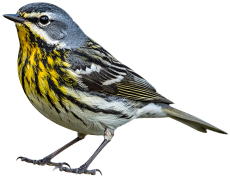
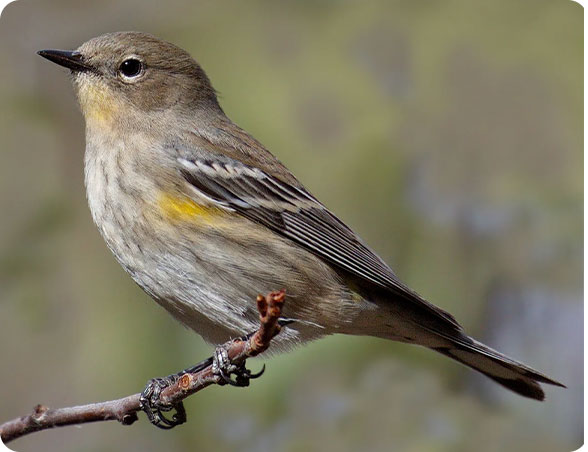
Yellow-rumped Warbler
Appearance: Gray body with bright yellow patches on rump and sides.
Song: A short, fast trill of sharp notes..
Role In Forest: One of the few warblers that can eat berries surviving where others can’t.
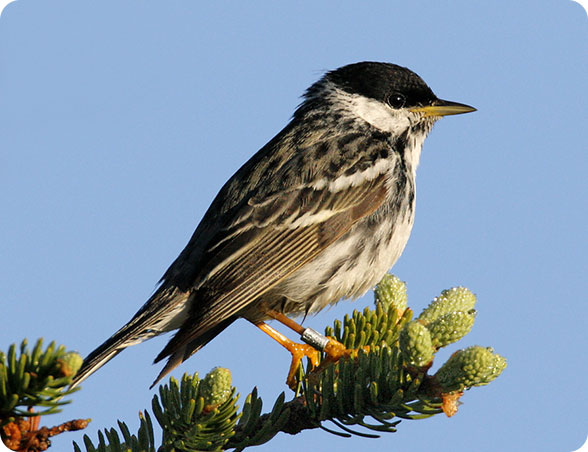
Blackpoll Warbler
Appearance: Males have black caps, white cheeks, and streaked black-and-white bodies.
Song:High, thin “tsit-tsit-tsit” notes, almost insect-like.
Role In Forest: Feeds on forest insects, helping control harmful pests.
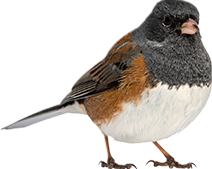
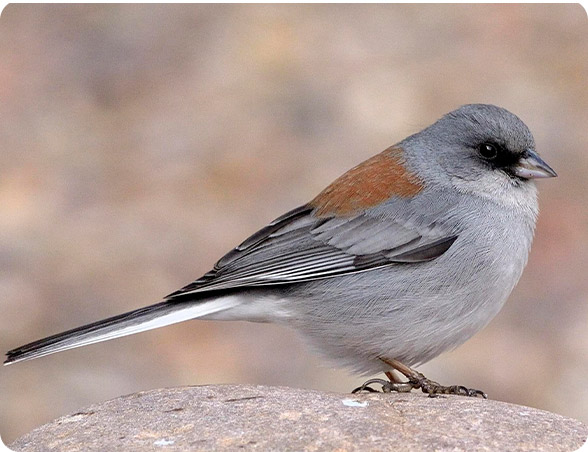
Dark-eyed Junco
Appearance: Slate-gray body with a white belly and outer tail feathers.
Song:A light, musical trill of sweet notes.
Role In Forest: Ground feeder that eats seeds, helping with seed dispersal.
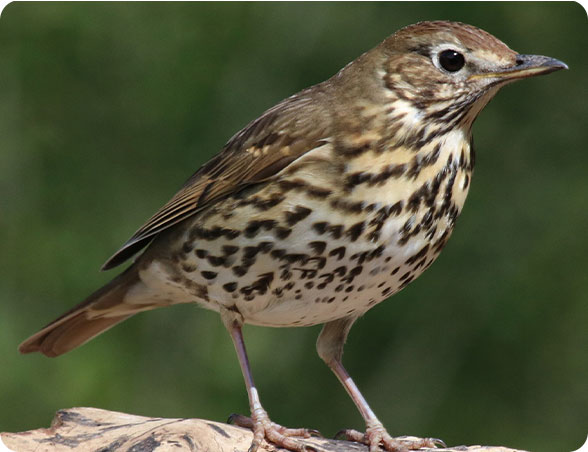
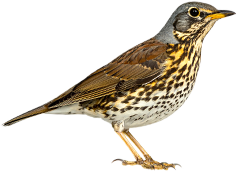
Swainson’s Thrush
Appearance: Brown above, palebelow with spotted chest, large dark eyes.
Song:Beautiful upward-spiraling flute-like notes.
Role In Forest: Eats insects and berries, spreading seeds across the forest.